Recovery Is Training: Sleep, Rest Days and Deloads
You do not get stronger in the gym. You get stronger in the 48 hours afterwards.
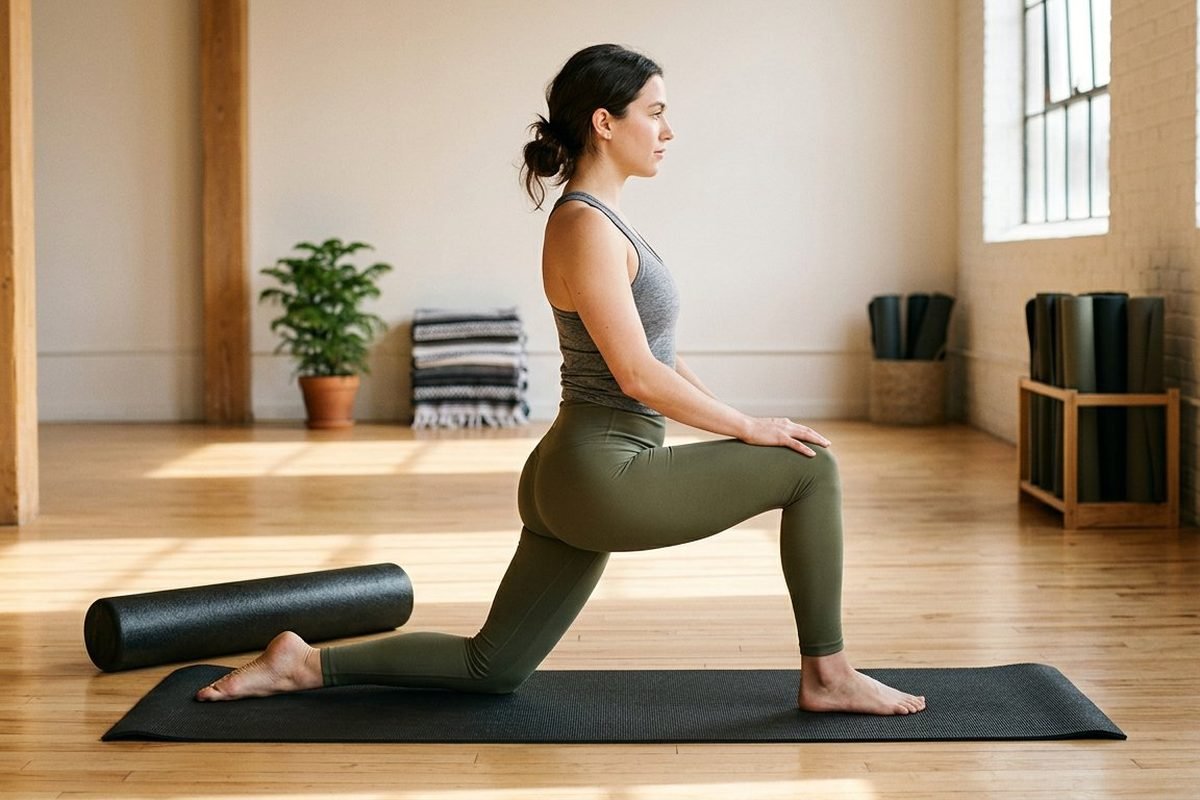
A hard session does not make you fit. It creates a disruption — microdamage, metabolic stress, a signal — and your body adapts during recovery. Train hard and recover badly and you get the fatigue without the adaptation. This is the most common reason people plateau while doing everything 'right'.
Sleep is the biggest lever, by a distance
Sleep restriction reliably reduces strength performance, endurance performance and muscle protein synthesis, and increases perceived effort. Meta-analyses of sleep extension in athletes show improved reaction time, accuracy and endurance. There is no supplement that comes close.
Practically: seven to nine hours, a consistent wake time, and a dark, cool room. If you are training hard on six hours a night, you are leaving more progress on the table than any programme tweak will recover.
Rest days: what they should look like
A rest day is not a day on the sofa, necessarily — it is a day without a training stimulus your body has to recover from. Walking, gentle mobility and normal daily activity are all fine and often help. What you should avoid is accidentally doing another hard session: a 'light' cycle class that turns into an hour of intervals is not recovery.
- After a hard full-body strength session: 48 hours before the next one.
- Easy cardio can be daily — that is the point of it being easy.
- Soreness is not a reliable guide. Being able to repeat last week's performance is.
Deload weeks: the thing nobody does
Every fourth week, cut your training volume by roughly 30–40% for a week while keeping the intensity. Not a week off — a lighter week. This is when accumulated fatigue dissipates and supercompensation happens. People who never deload typically plateau within three to four months and assume they need a new programme.
Signs you need a deload now
Performance dropping for two sessions in a row, resting heart rate up 5–10 bpm, sleep worsening, persistent joint ache, and motivation falling off a cliff. Two or more of those means take the easy week.
What actually helps recovery
- Sleep. Boringly, emphatically, sleep.
- Eating enough, with adequate protein — roughly 1.6 g/kg is a reasonable target for people training regularly.
- Hydration, especially in heat or for older adults, whose thirst response is blunted.
- Walking on rest days, which increases blood flow without adding fatigue.
- Time — there is no shortcut for the 48 hours a muscle needs.
What is mostly marketing
Compression garments show small effects in some studies and none in others. Ice baths blunt inflammation — which sounds good until you learn that inflammation is part of the adaptation signal, and regular post-lifting cold immersion may reduce muscle growth. Massage feels excellent and has modest evidence for perceived soreness. None of these replace sleep or food, and none are necessary.
If you only fix one thing this month, fix your sleep. If you fix two, add a deload week every fourth week. Those two changes alone will do more than any supplement stack on the market.
Keep reading

How to Start Working Out Again (Without Quitting in Week Three)
Most people who restart exercise quit within a month, and it is rarely a willpower problem. Here is the evidence-based way to structure the first eight weeks so that week five is easier than week one.
Your First Week at the Gym: A Survival Guide
The gym is not complicated, it is just unfamiliar. A practical guide to your first week: what to bring, how to structure a session, and the unwritten rules that make you look like you belong.