Gym & Strength
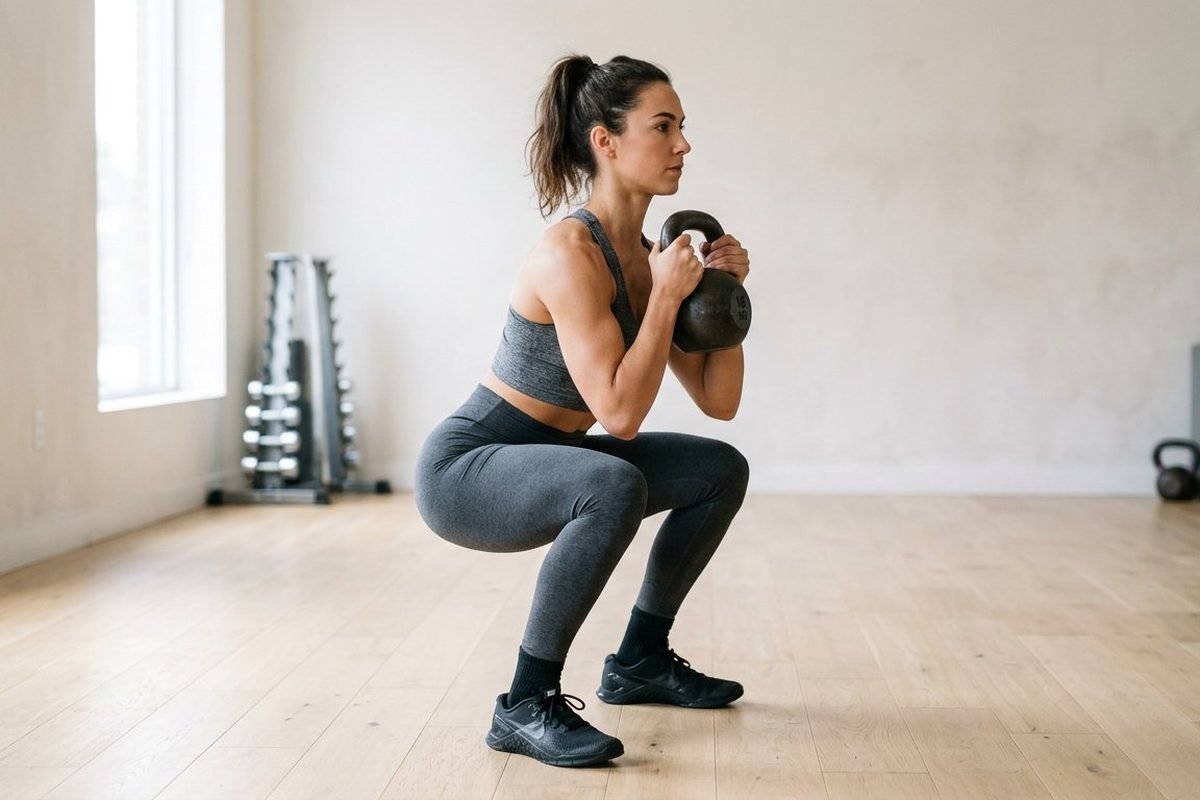
Goblet Squat: The Complete Beginner's Guide
The best first squat variation for beginners: how to hold the bell, how deep to go, and the three fixes for every common fault.
Open the guideStrength, yoga, cardio and mobility guides for every age and every level of experience — from your first push-up to your first deadlift, and everything that keeps you moving at 70.
Every guide is written by a qualified coach and reviewed by a physiotherapist before it is published.
Programming differs enormously by age. Pick your group and we will only show guides written for you.
The six guides we send people to first — each one teaches a pattern you will use for life.
The best first squat variation for beginners: how to hold the bell, how deep to go, and the three fixes for every common fault.
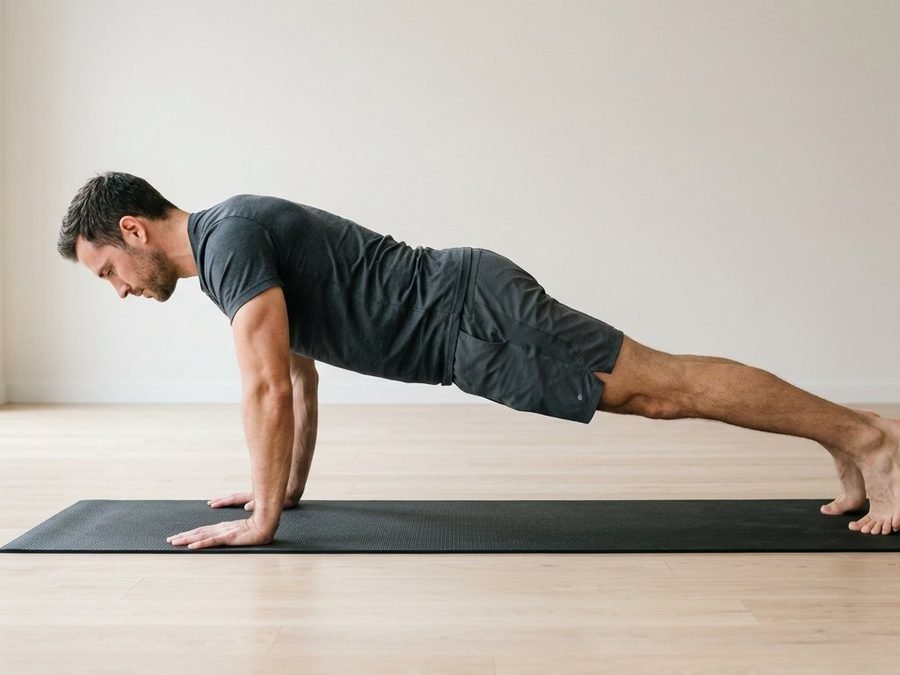
Open the guideA four-step progression from wall push-ups to full reps, with the hand position, elbow path and core cues that make the difference.
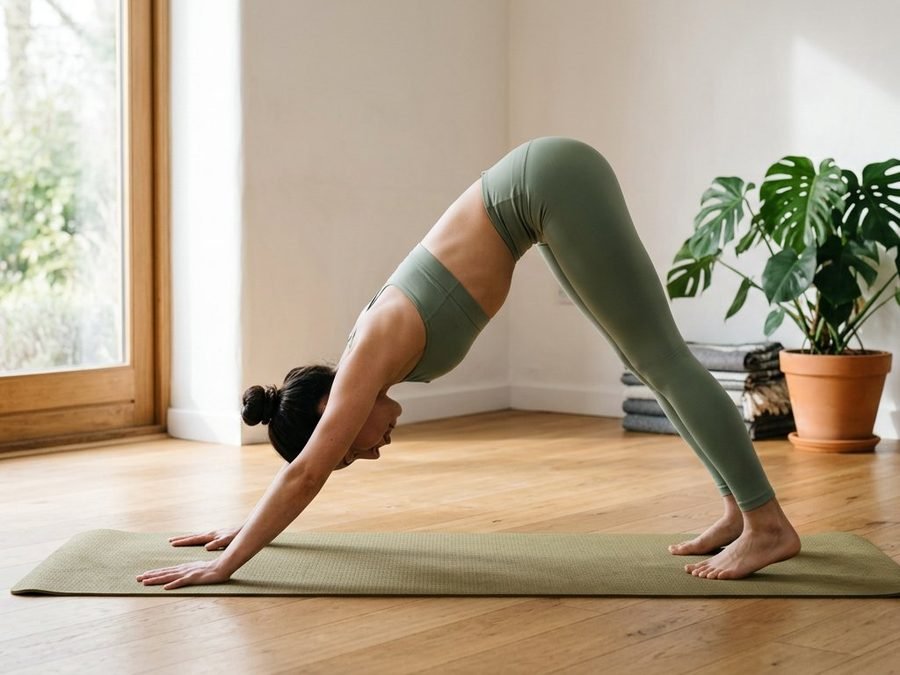
A gentle sequence that moves every major joint, wakes up your spine and takes fifteen minutes — no flexibility required.
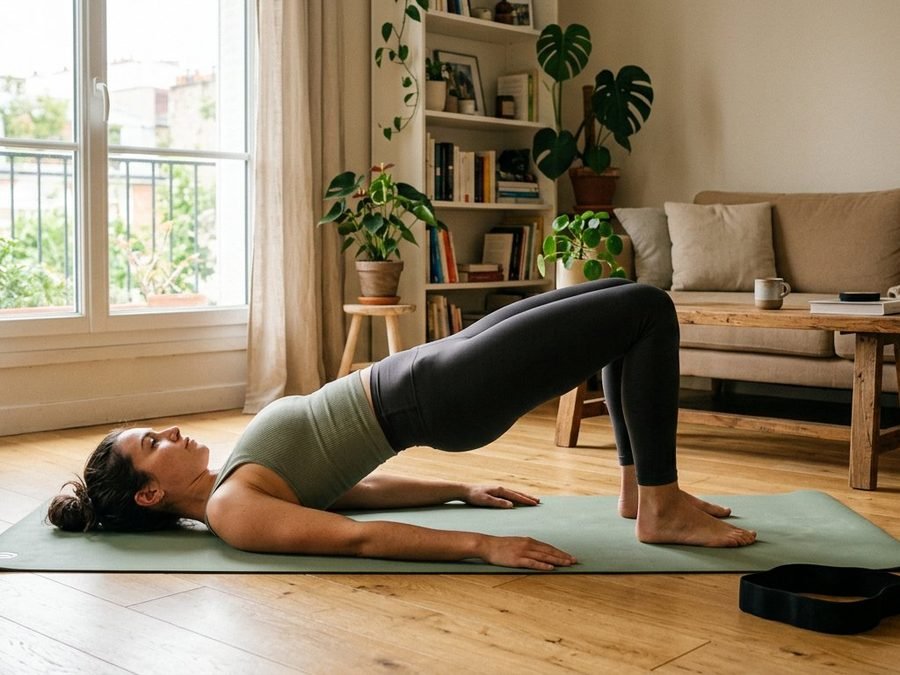
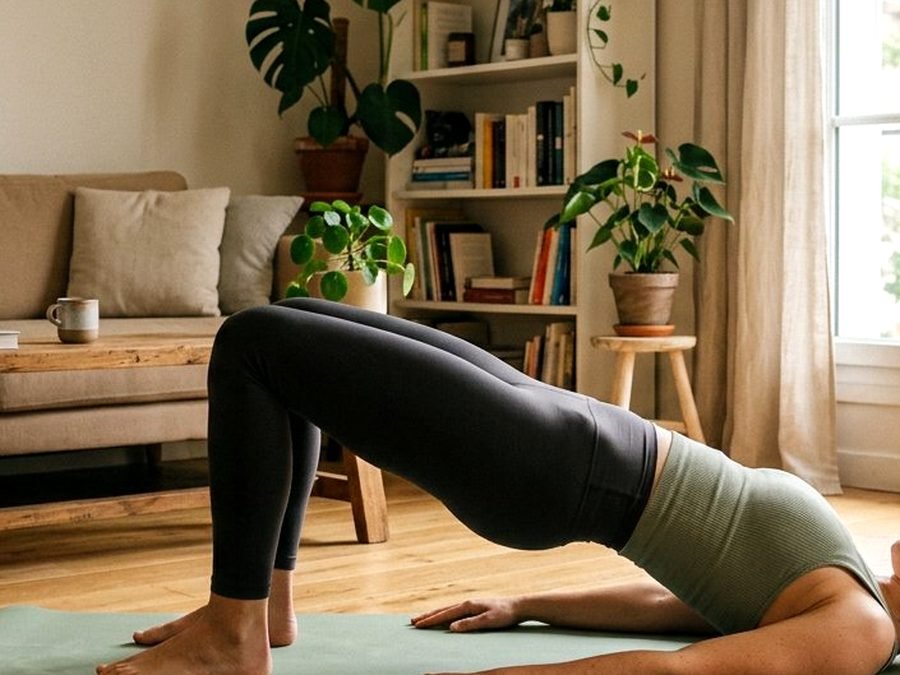
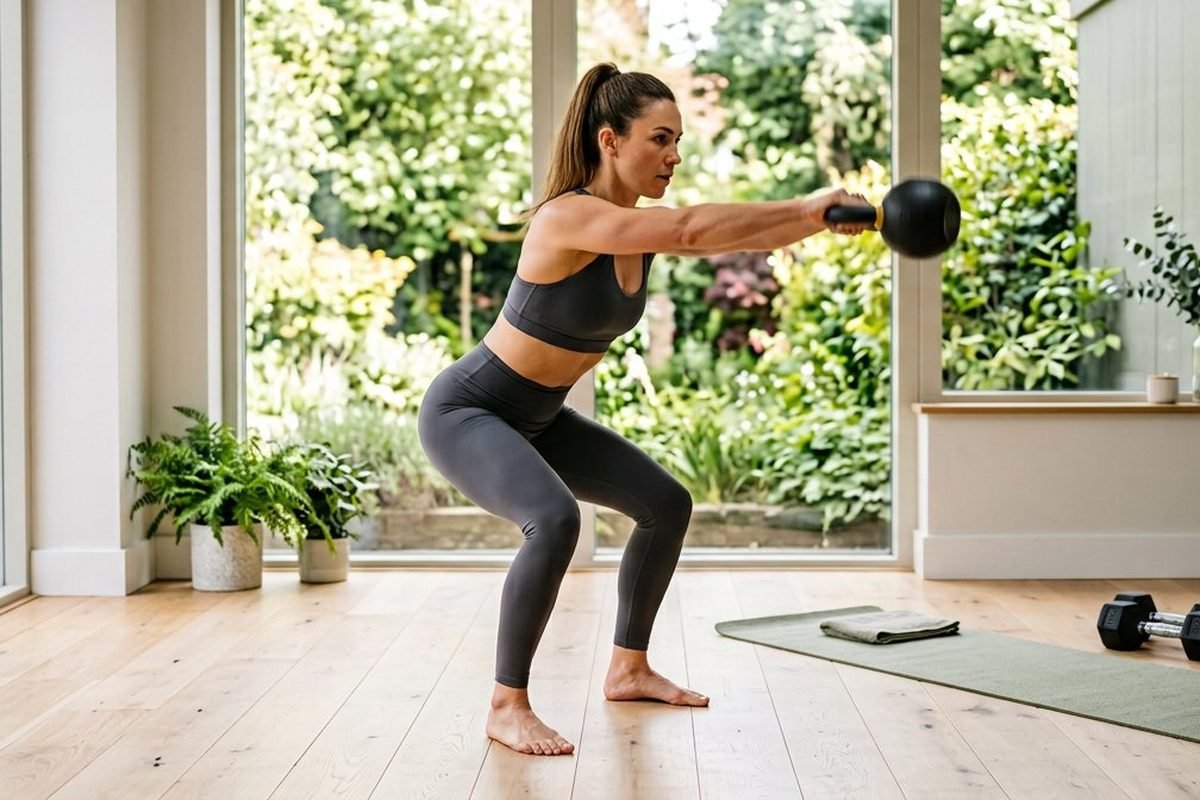
Four movements, five rounds, twenty minutes. A full-body session that works in a living room and scales from beginner to advanced.
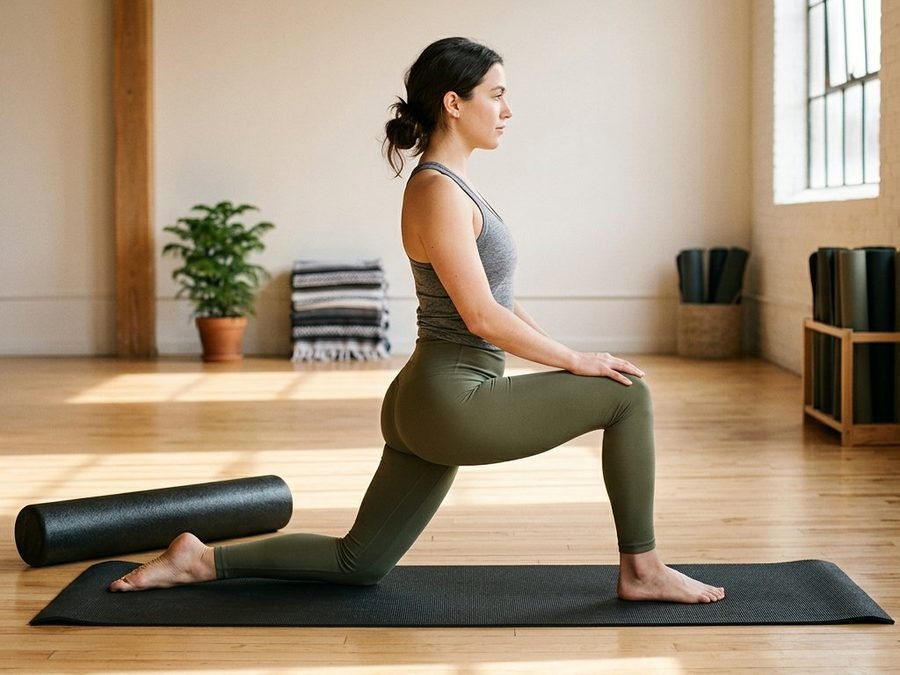
Eight movements covering ankles, hips, spine and shoulders — the joints that stiffen from sitting, in ten minutes flat.
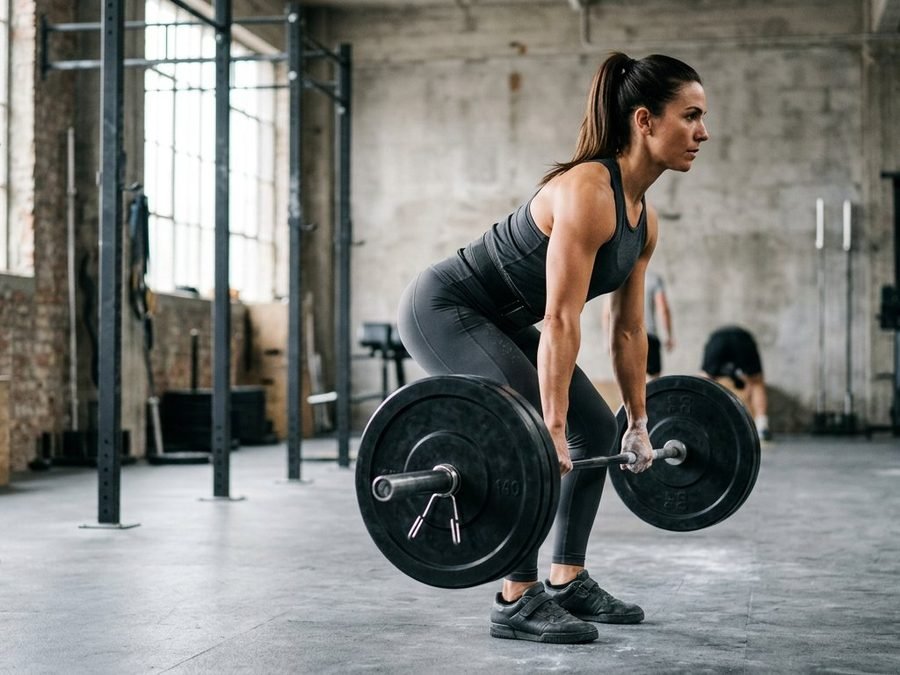
A complete deadlift set-up: bar position, hip height, bracing and the pull. Plus when to use a trap bar instead.
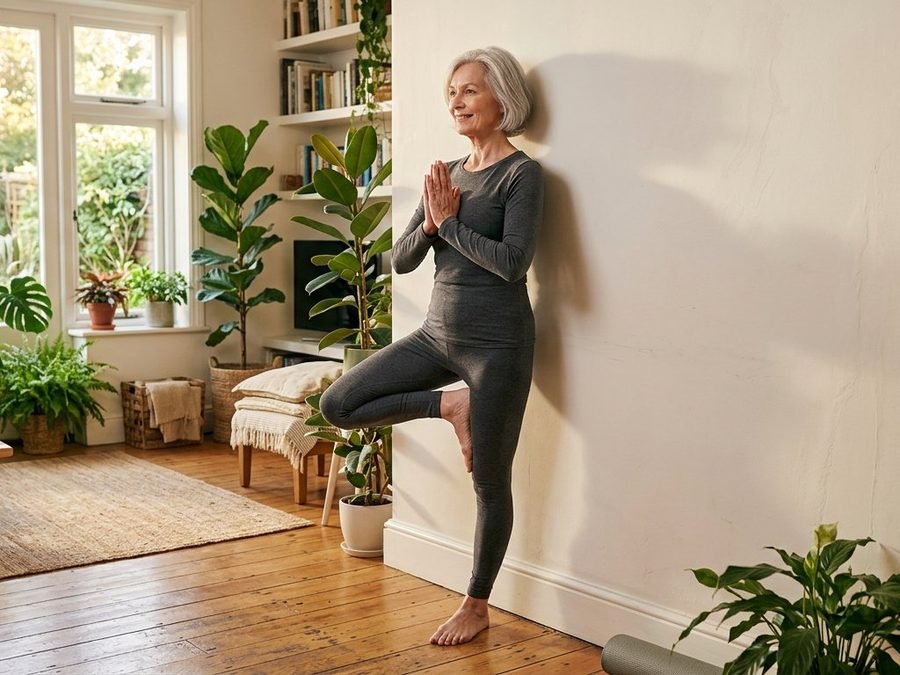
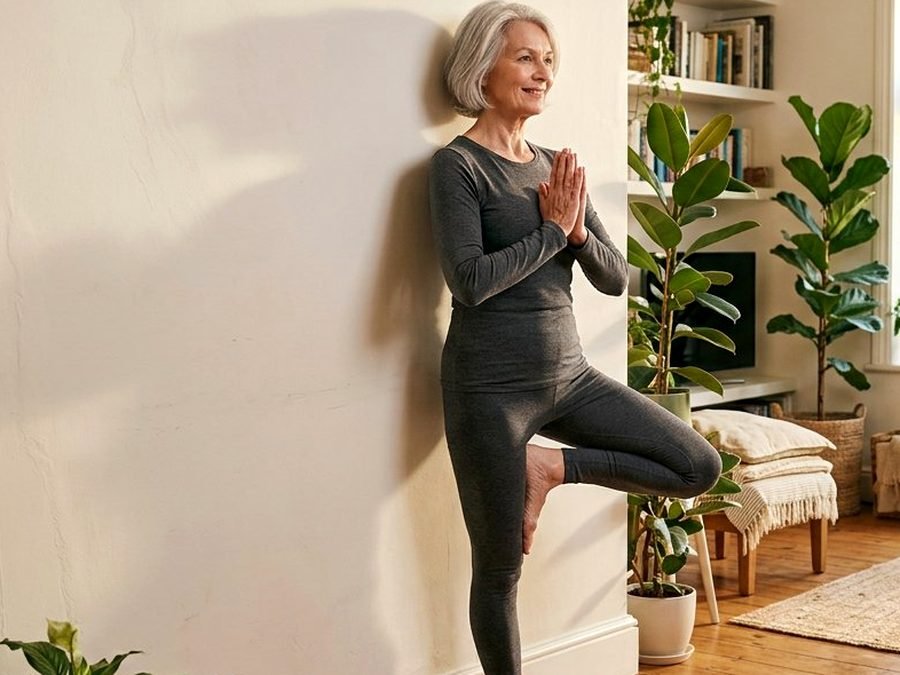
A safe, supported chair-based practice that builds the balance and leg strength behind fewer falls — no floor work required.
A 20-minute interval session with a low-impact option, plus honest guidance on how often to do HIIT and when to stop.
Squat, hinge, push and pull with safe starting loads and simple progressions — the four movements that preserve independence.
Six movements you can do in office clothes, no mat and no sweat, that reverse the stiffness of a long sitting day.
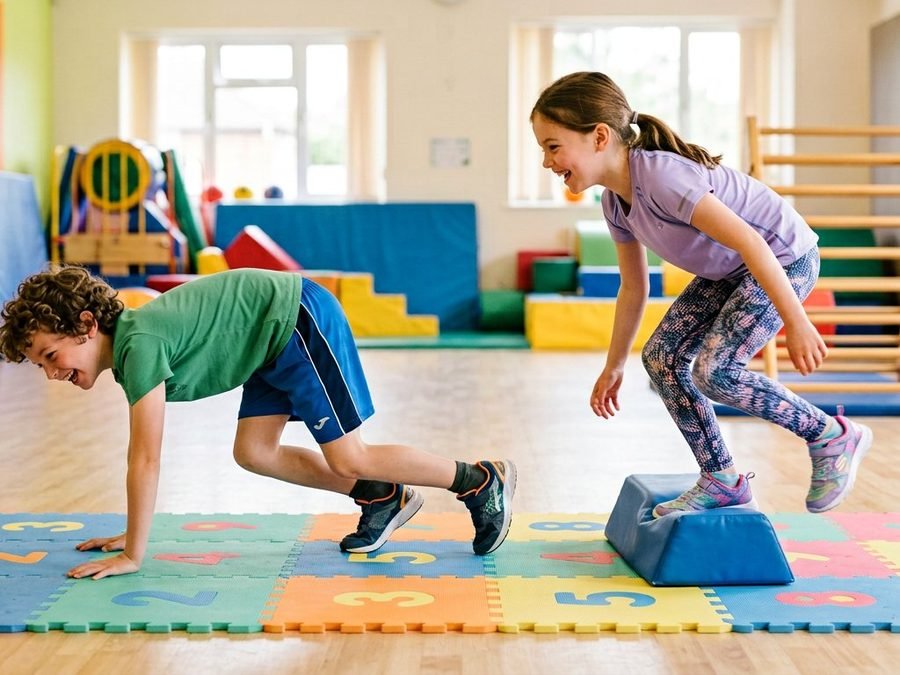
Play-based exercise for children: coordination, balance and strength, disguised as eight games that need no equipment.
What zone 2 actually means, how to find it without a lab test, and how much easy cardio you need for a bigger engine.
Evidence-led articles on starting out, programming, recovery and ageing well.
Most people who restart exercise quit within a month, and it is rarely a willpower problem. Here is the evidence-based way to structure the first eight weeks so that week five is easier than week one.
The gym is not complicated, it is just unfamiliar. A practical guide to your first week: what to bring, how to structure a session, and the unwritten rules that make you look like you belong.
Adults lose roughly 3–8% of muscle mass per decade after 30, accelerating after 60. Strength training slows and partly reverses it. Here is what the evidence says and how to start at 50, 60 or 70.